I have been, or can be if you click on a link and make a purchase, compensated via a cash payment, gift, or something else of value for writing this post. As an Amazon Associate, I earn from qualifying purchases. Please read my full Affiliate Disclosure for more information.
Imagine turning even the smallest outdoor space into a lush, tranquil retreat that feels like a secret garden. Small garden design ideas and layouts are incredibly popular because they prove that you don’t need acres of land to create a beautiful, relaxing outdoor oasis. With clever planning and creative touches, a tiny garden can become your favorite spot to unwind, entertain, or simply enjoy nature.
In this article, you’ll find a variety of inspiring ideas and practical layouts that suit any style or space constraint. Whether you’re drawn to minimalist elegance, vibrant flower beds, or cozy seating nooks, there’s something here to spark your imagination and help transform your small garden into a personal paradise.
1. Vertical Garden Walls with Recycled Pallets for Compact Space Optimization
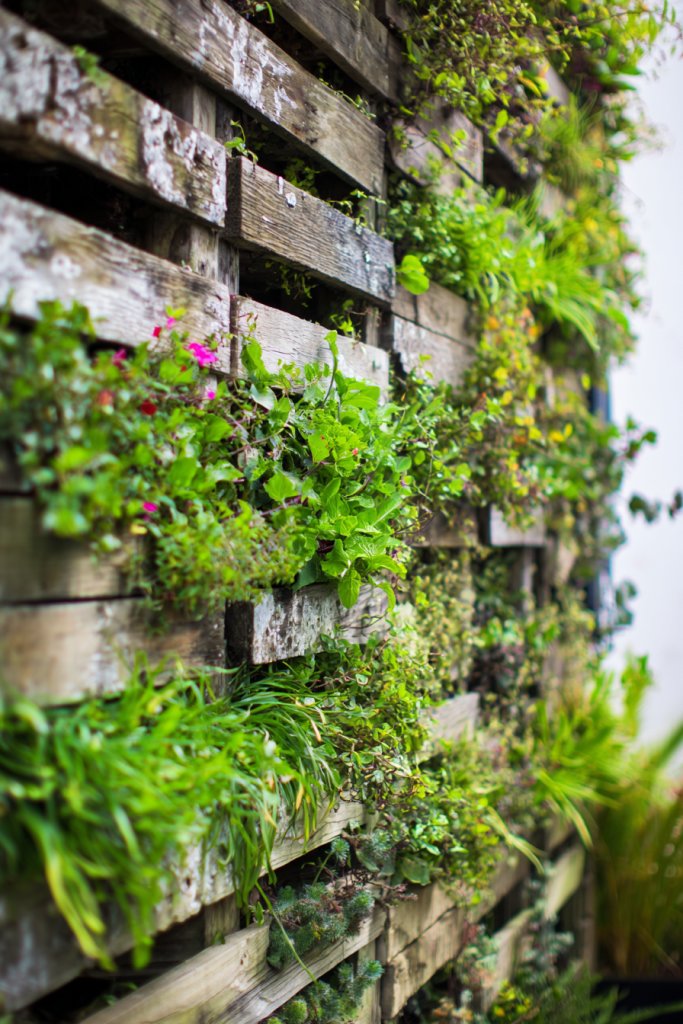
Living in a small space often means sacrificing greenery and freshness. You want to bring nature closer without cluttering your limited area. Vertical gardens offer a smart solution, transforming blank walls into lush displays. It’s a way to enjoy vibrant foliage without sacrificing precious floor space.
Recommended Products to replicate this idea
| # | Preview | Product | |
|---|---|---|---|
| 1 |

|
Wood Pallet DIY Projects: 20 Building Projects to Enrich Your Home, Your Heart & Your Community (Fox... | Check Latest Price |
| # | Preview | Product | |
|---|---|---|---|
| 1 |

|
LA Jolie Muse Wall Hanging Planters for Indoor Plants,Hanging Flower Pots for Air Plants... | Check Latest Price |
Imagine a wall covered in vibrant greens, with plants cascading from reclaimed wood pallets. The textures of weathered wood contrast beautifully with the lush, leafy plants. Light filters softly through, casting gentle shadows that dance across the wall. It’s a charming, eco-friendly statement that makes your tiny space feel alive and inviting.
You can customize vertical gardens with different types of pallets, from rustic to sleek painted finishes. Seasonal changes allow you to swap out plants easily, adding colorful blooms in spring and hearty greens in winter. For a minimalist look, choose uniform palettes with simple succulents, while a boho vibe benefits from hanging baskets and eclectic arrangements.
Start by sourcing reclaimed pallets or building your own frame. Attach waterproofing layers to prevent rot and ensure longevity. Use sturdy brackets or hooks to mount the pallets securely on your wall. Select lightweight, low-maintenance plants suited for vertical growth, and arrange them using soil-filled pockets or pots. Watering can be managed with drip systems or manual watering cans. Regular upkeep keeps the wall vibrant and healthy.
Add decorative elements like fairy lights, small sculptures, or painted accents for a personalized touch. Incorporate herbs or edible plants if you want functional beauty. Use colorful pots or textiles draped over the pallets to introduce texture and pattern. Consider integrating small chalkboards or labels for a whimsical or organized feel.
Vertical gardens make small spaces feel larger and more lively. They boost your mood and bring a sense of calm and connection to nature. With some DIY spirit and a bit of patience, you can create a stunning green wall that’s both eco-friendly and uniquely yours.
2. Raised Bed Kitchen Garden for Easy Access and Fresh Herbs
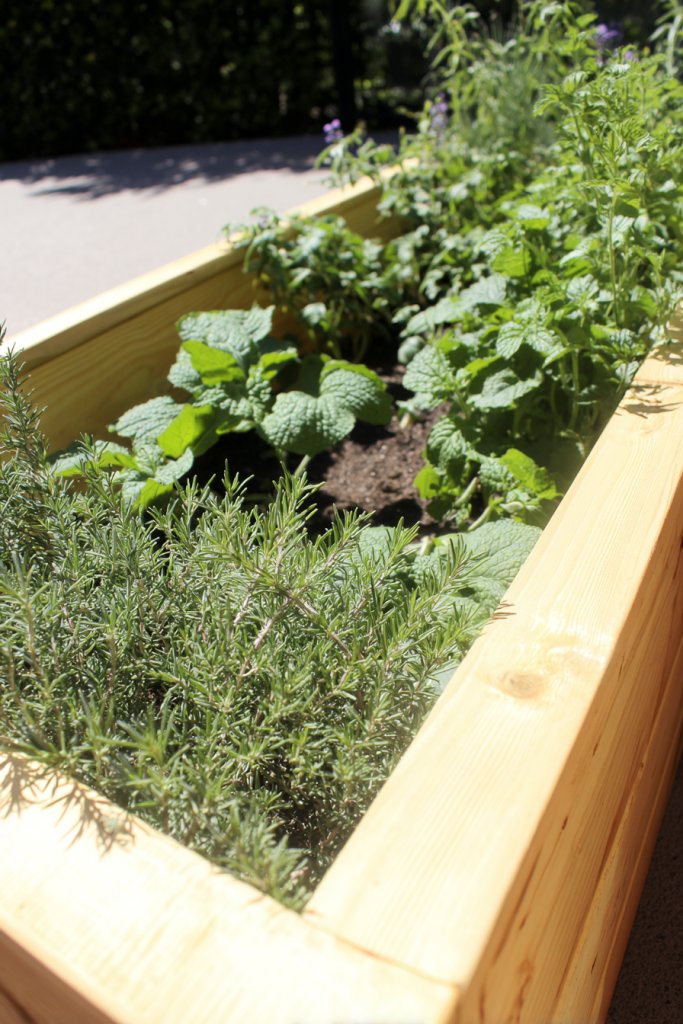
Cramped city living often makes gardening feel impossible, especially for fresh herbs and small veggies. You crave a patch of green that’s within arm’s reach, making cooking more delightful. Raised beds turn even tiny patios into productive outdoor kitchens. Why settle for store-bought herbs when you can snip fresh basil right outside?
Recommended Products to replicate this idea
| # | Preview | Product | |
|---|---|---|---|
| 1 |

|
DIIYIV 2PCS Galvanized Raised Garden Bed with Legs,2PCS 48×18×30in Elevated Planter Box for... | Check Latest Price |
| # | Preview | Product | |
|---|---|---|---|
| 1 |

|
Seed Needs Herb Seeds Variety Pack Culinary Herb Collection (12 Individual Packets for Planting... | Check Latest Price |
Picture a neat, elevated bed filled with lush greens and fragrant herbs. The beds are made from weathered cedar, adding rustic charm. Nearby, a small stool or step allows you to tend your plants comfortably. The aroma of fresh herbs mingles with the breeze, while a basket of ripe cherry tomatoes sits ready for harvest. It’s a cozy, practical oasis for culinary adventures.
You can customize the height and size of your raised beds depending on space and mobility needs. Incorporate multiple small beds for different herbs or vegetables, or build a larger one for a mini veggie patch. In colder seasons, cover with clear plastic or use seasonally appropriate plants to extend your gardening timeline. Choose materials like composite wood or recycled pallets for an eco-conscious touch.
Begin by measuring your available space to determine bed dimensions. Construct or purchase pre-made raised beds, ensuring they are deep enough for root growth. Fill with quality compost and soil mix suitable for vegetables. Arrange your beds near a water source, and add a simple drip irrigation system for easy watering. Plant a variety of herbs like mint, basil, and parsley, along with compact vegetables such as lettuce or peppers. Regular harvesting encourages continuous growth.
Decorate the edges with painted stones or small sculptures to add personality. Use colorful plant tags or labels for organization. Incorporate a small compost bin nearby for sustainable waste management. Stylish, weatherproof containers can be added for herbs that need different soil conditions. Personal touches make your garden a reflection of your culinary and aesthetic tastes.
A kitchen garden elevates your cooking and lifestyle, making fresh ingredients a daily joy. It’s a rewarding project that fits into any small outdoor space, even balconies. With a bit of effort, you’ll enjoy a less expensive, more sustainable way to enhance your meals and your well-being.
3. Corner Plant Niches with Multi-Tiered Shelves for Visual Depth
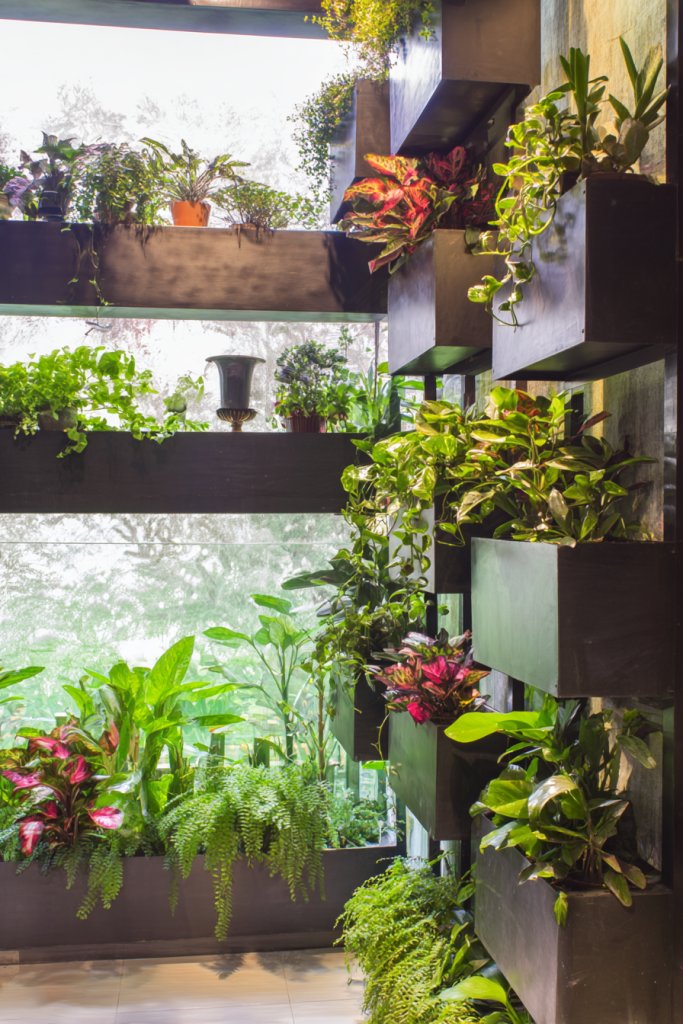
Corners in small gardens often go unused, wasting valuable visual space. You want to maximize every inch and add depth to your outdoor area. Nooks with multi-tiered shelves turn awkward corners into attractive focal points. It’s a clever way to display plants and add dimension without clutter.
Recommended Products to replicate this idea
| # | Preview | Product | |
|---|---|---|---|
| 1 |

|
Bamworld Tall Plant Stand Indoor Outdoor, Corner Metal Flower Pot Stands for Multiple Plants, 4 Tier... | Check Latest Price |
| # | Preview | Product | |
|---|---|---|---|
| 1 |

|
Bamworld Plant Stand Indoor Outdoor Tall Plant Shelf for Multiple Plants Pots Wood Flower Stand... | Check Latest Price |
Envision a cozy corner tucked into a sunny spot, filled with potted plants layered on tiered shelves. The shelves are crafted from reclaimed wood, adding warmth and texture. Different shapes and sizes of pots create visual interest, with trailing vines spilling over the edges. The layered arrangement invites the eye to wander and discover new details with each glance.
Adjust the number of tiers or shelf heights to fit your space and style. Use weather-resistant materials like metal or treated wood for durability. Incorporate decorative stones or mulch around the base for a finished look. For seasonal flair, swap out plants or add decorative ornaments, lights, or sculptures to match holidays or themes.
Start by measuring your corner to determine the size of your shelves. Build or buy multi-tiered shelving units that fit snugly into the space. Secure the shelves firmly to prevent tipping, especially if you have kids or pets. Use weatherproof containers or pots, and arrange plants based on their sunlight and watering needs. Fill with a good-quality potting mix, and position the setup in a sunny or shaded spot accordingly. Regular maintenance keeps the layers looking lush.
Decorate shelves with small decorative stones, figurines, or fairy lights for added charm. Incorporate a mix of flowering plants, foliage, and even small edible herbs for variety. Use personalized name tags or painted pots to give a custom touch. Seasonal accents like mini pumpkins or pinecones can also enhance the look.
Corner niches with multi-tiered shelves make your garden feel more curated and inviting. They add depth and personality to small spaces without overwhelming them. With a little creativity, you transform overlooked corners into eye-catching features that reflect your style.
4. Compact Patio with Foldable Furniture for Versatile Seating

Limited outdoor space often means sacrificing comfort and style for practicality. You want a flexible setup that adapts to gatherings or quiet afternoons. Foldable furniture offers a sleek solution, letting you create a cozy patio that can expand or contract in seconds. Why settle for static furniture when you can have versatility?
Recommended Products to replicate this idea
| # | Preview | Product | |
|---|---|---|---|
| 1 |

|
Bistro Table and Chairs Set of 2, 3 Piece Outdoor/Indoor Folding Patio Bistro Sets, 2 Chair Patio... | Check Latest Price |
| # | Preview | Product | |
|---|---|---|---|
| 1 |

|
HaSteeL Foldable Camping Chair Set of 2, Folding Camp Chairs for Adults, Large Portable Lawn Chair... | Check Latest Price |
Imagine a small patio with a foldable table and chairs tucked neatly against the wall. When friends arrive, you unfold the table, revealing a charming surface with textured wood or patterned tiles. Cushions in vibrant fabrics add comfort and personality. String lights or lanterns hang overhead, casting a warm glow as the furniture folds away when not needed. It’s simple, stylish, and highly functional.
Choose furniture with different finishes—rattan, metal, or wood—to match your aesthetic. Opt for neutral tones that blend into your decor or bold hues for a statement. Seasonal cushions, throws, or even weatherproof fabrics can easily be swapped out. For multi-purpose use, select pieces that double as storage or serve as a decorative element when folded.
Start by measuring your available patio space, then select foldable furniture that fits comfortably. Prioritize lightweight frames for easy handling and durable materials that withstand weather. Set up a dedicated storage spot for folded furniture to keep it protected. When hosting, unfold your pieces and arrange them for maximum comfort. Store them away during harsh weather to prolong their lifespan. Add a small side table or portable planters for extra charm.
Use colorful cushions, patterned umbrellas, or decorative throws to inject personality. Incorporate foldable storage benches or side tables that match your style. Add lanterns, solar-powered string lights, or candles to create ambiance. Personal touches like vintage finds or DIY painted furniture make your patio uniquely yours.
A versatile, foldable patio makes small outdoor areas feel larger and more welcoming. It’s a practical upgrade that adapts to your lifestyle, whether you want quiet mornings or lively gatherings. With clever furniture choices, you turn a tiny patch into an outdoor retreat you’ll love spending time in.
5. Floating Planter Boxes for a Modern, Minimalist Look
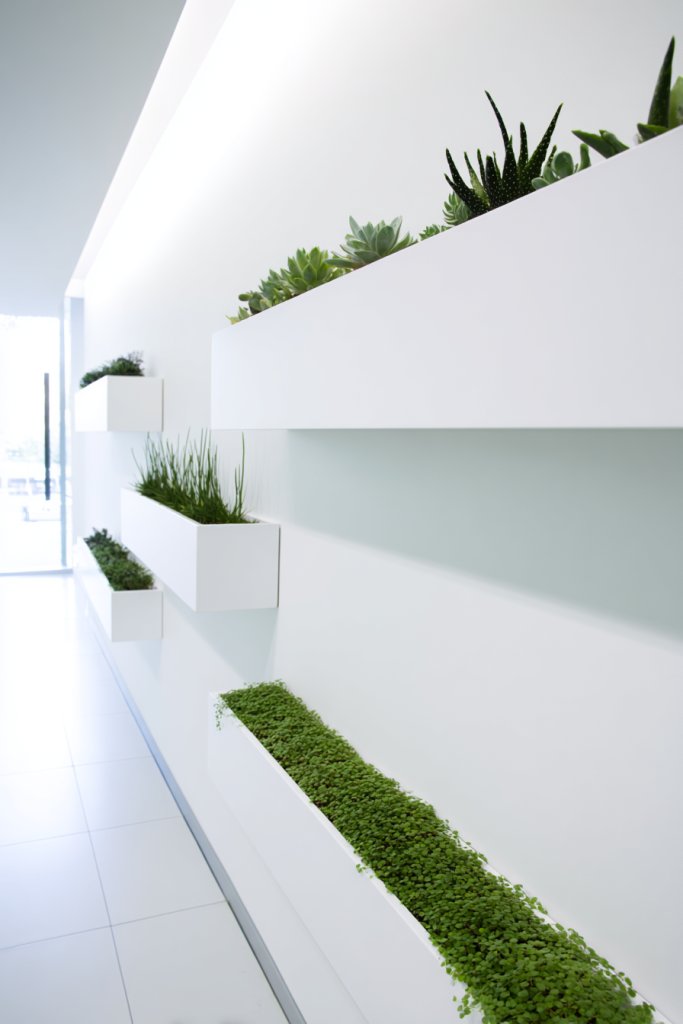
Cluttered walls and uneven ground often make small gardens look chaotic. You crave a sleek, organized space that feels open and contemporary. Floating planter boxes offer a minimalist aesthetic that elevates your greenery without overwhelming the senses. It’s a simple upgrade that transforms your garden’s vibe.
Recommended Products to replicate this idea
| # | Preview | Product | |
|---|---|---|---|
| 1 |

|
Holensun Wall Hanging Planters for Outdoor Plants 16 Inch Large Metal Fence Pots with Hooks for... | Check Latest Price |
| # | Preview | Product | |
|---|---|---|---|
| 1 |
|
Sbosbo Floating Shelves for Wall, Plant Shelf Indoor, Wall Planters for Indoor Floating Plant... | Check Latest Price |
Visualize smooth, rectangular boxes mounted flush against a wall, filled with lush, layered plantings. The clean lines and geometric shapes create a sense of order and modernity. Soft lighting accentuates the floating effect, while the greenery adds texture and life. The contrast of the planters against a neutral wall makes the colors pop, giving your garden a polished, gallery-like feel.
Choose from materials like sleek metal, concrete, or painted wood to match your decor. Vary the sizes and shapes for visual interest—long, narrow boxes or cube-shaped units work well. Mount them at different heights to create depth and dynamism. Change the planting scheme seasonally to keep the look fresh, or add decorative stones or pebbles for added texture.
Select sturdy, weatherproof planters with secure mounting hardware. Use wall anchors appropriate for your wall type to ensure stability. Fill with high-quality potting mix suitable for your chosen plants, avoiding overloading. Arrange the boxes at eye level or higher to keep the space feeling airy. Regularly check the mounts and clean the surfaces for a pristine appearance. Incorporate lighting for nighttime drama.
Paint the planters in your favorite colors or add geometric patterns for a bespoke look. Mix different plant types—succulents, ferns, or flowering varieties—to diversify textures. Incorporate decorative elements like small sculptures or LED strips for ambiance. Personalize the arrangement based on your style, from ultra-modern to subtle elegance.
Floating planters elevate your garden’s aesthetic, making even small walls a focal point. They offer a clean, clutter-free look that’s easy to update and maintain. With this modern touch, your outdoor space becomes a sophisticated extension of your home.
6. Pathway with Reclaimed Stone and Ground Cover for Natural Flow
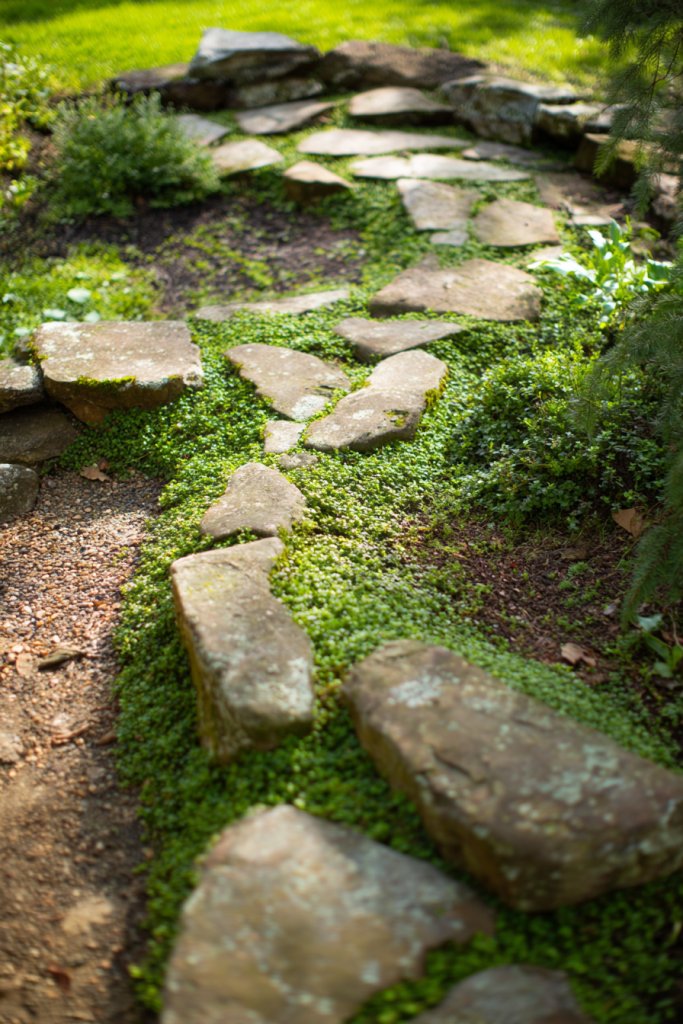
Winding, uneven pathways can make a small garden feel disjointed and chaotic. You want a natural, inviting route that guides the eye and foot without taking up too much space. Reclaimed stones combined with ground cover plants create a charming, eco-friendly path that blends seamlessly with nature. It’s an easy way to add flow and character.
Recommended Products to replicate this idea
| # | Preview | Product | |
|---|---|---|---|
| 1 |

|
Sekcen 3 Pack Rubber Stepping Stones Outdoor Garden Rubber Pavers Pathway Walkway Paving Stones | Check Latest Price |
| # | Preview | Product | |
|---|---|---|---|
| 1 |
|
PLANTMEW 20000+pcs Creeping Thyme Seeds for Planting – Non-GMO Ground Cover Flowers –10g Edible... | Check Latest Price |
Picture a meandering stone path laid with irregular, weathered reclaimed stones. The gaps are filled with lush ground covers like creeping thyme or moss, softening the hard edges. As you walk along, the scent of herbs or fresh earth surrounds you. Dappled sunlight filters through overhanging branches, highlighting the natural textures and creating a tranquil, rustic atmosphere.
Choose stones of varying sizes and shapes for a more organic look or select uniform pieces for a cleaner design. Incorporate stepping stones into a flower bed or lawn for contrast. Use ground covers that suit your climate and aesthetic—succulents, sedum, or creeping juniper. Seasonal plantings along the edges can add color and interest throughout the year.
Start by mapping your desired pathway, then gather reclaimed stones or bricks. Level the ground and lay the stones in a gentle curve, securing them with sand or soil if necessary. Fill the gaps with your chosen ground cover, pressing it into place. Water thoroughly and prune or weed as needed. Regular maintenance keeps the path looking natural and inviting. Consider adding solar path lights along the route for evening ambiance.
Decorate with small sculptures, birdhouses, or decorative stepping stones for personality. Plant colorful seasonal ground covers or low-growing flowering plants along the sides. Use different textures—smooth stones contrasted with fluffy moss or fine gravel—to create visual interest. Personal touches turn a simple path into a signature feature.
A natural stone pathway connects your garden zones and invites exploration. It adds charm and functionality without overwhelming your space. With a little effort, you craft a walking experience that feels both effortless and elegant, making your garden truly welcoming.
7. Hanging Baskets and Suspended Plants for Vertical Interest
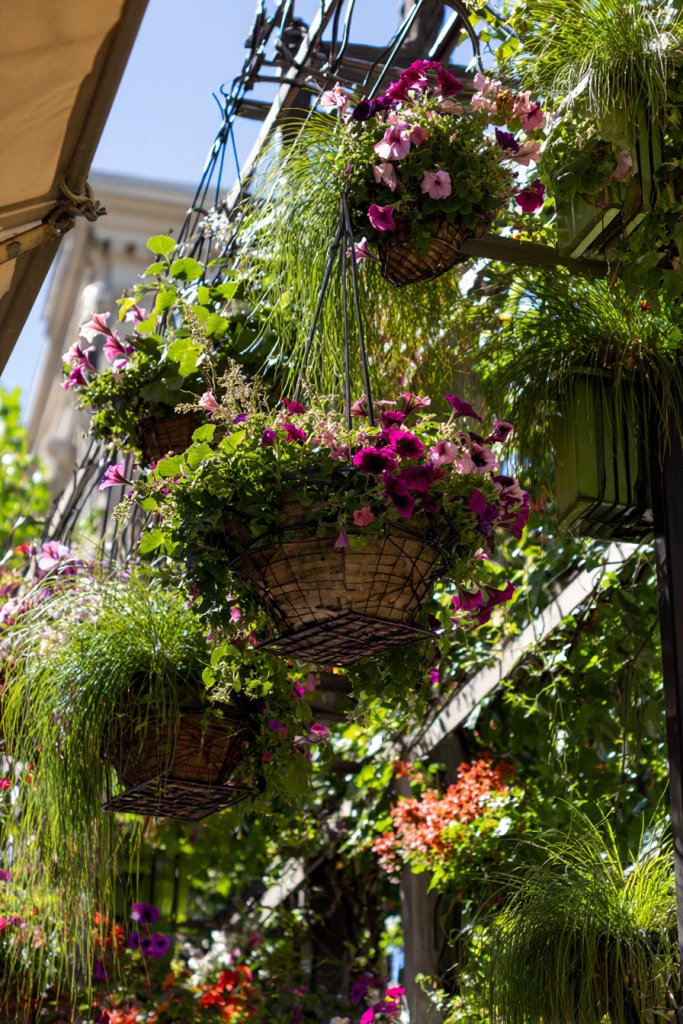
Floor space in small gardens is precious, yet you crave the lushness and variety of a traditional garden. Hanging baskets and suspended plants offer a vertical solution to add color and dimension. They create layers of greenery without crowding the ground. It’s an easy way to make your space feel fuller and more vibrant.
Recommended Products to replicate this idea
| # | Preview | Product | |
|---|---|---|---|
| 1 |

|
Legigo 6 Pack 14 Inch Hanging Basket Coco Liners Replacement, 100% Natural Round Coconut Coco Fiber... | Check Latest Price |
| # | Preview | Product | |
|---|---|---|---|
| 1 |

|
Mkono Macrame Plant Hanger Indoor Hanging Planter Basket with Wood Beads Decorative Flower Pot... | Check Latest Price |
Visualize colorful baskets hanging from sturdy hooks or ceiling mounts, overflowing with trailing vines and blooms. The plants cascade down in soft waves, creating a lush curtain of greenery. The backdrop of a textured wall or pergola enhances the effect, while the scent of fragrant flowers fills the air. During the day, sunlight dances on the hanging foliage, adding depth and movement.
Mix different types of plants—flowering, foliage, and trailing varieties—for visual diversity. Use baskets of various sizes and shapes, from classic wicker to modern resin designs. Hang them at different heights to add rhythm and interest. Change out plants seasonally to keep the display fresh, or add decorative elements like ribbons or fairy lights.
Securely mount sturdy hooks or brackets on walls, pergolas, or ceilings. Choose lightweight, weather-resistant baskets with good drainage. Fill with high-quality potting mix, and select plants based on their sunlight needs. Water regularly, and prune to maintain shape. Rotate baskets seasonally for variety. Keep an eye on pests and replace plants as needed to sustain lushness.
Add decorative charms, faux berries, or painted pots to customize your hanging displays. Incorporate small wind chimes or lanterns nearby for added charm. Use color-coordinated baskets or match them to your garden decor. Personal touches like themed arrangements for holidays make the display uniquely yours.
Hanging plants add a dynamic, layered look that makes small gardens appear larger. They’re quick to install and easy to change, offering ongoing creative opportunities. With a little effort, you create a lively, inviting space that feels lush and thoughtfully designed.
8. Multi-Functional Garden Bench with Built-in Planter
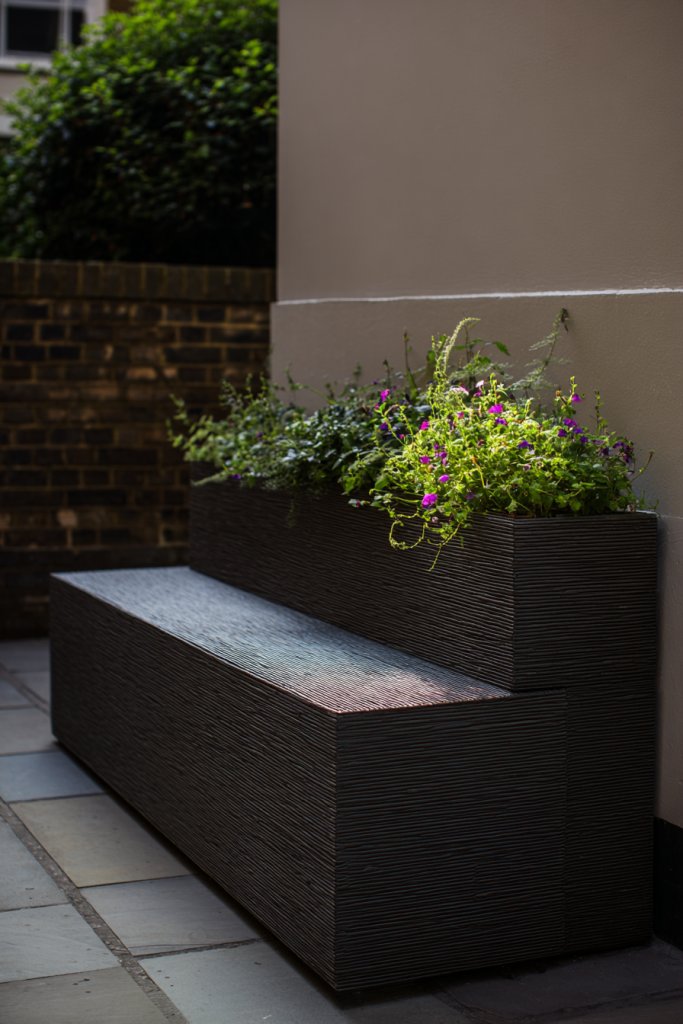
Your small garden needs seating, but space is limited. You also want a touch of greenery without cluttering the yard. A multi-functional bench with a built-in planter solves both issues—providing seating and a lush focal point. It’s a clever way to maximize utility and beauty in a compact area.
Recommended Products to replicate this idea
| # | Preview | Product | |
|---|---|---|---|
| 1 |

|
Furinno Tioman Hardwood Mini Outdoor Planter Box with Bench for Garden Plant | Check Latest Price |
| # | Preview | Product | |
|---|---|---|---|
| 1 |

|
FURINNO FG19455 Tioman Hardwood Outdoor Lifestyle Flowerbox with Bench, Natural | Check Latest Price |
Imagine a sleek wooden bench with a hidden planter compartment along its back or underneath the seat. The planter is filled with vibrant, textured foliage or colorful blooms, adding a splash of nature behind your seating. Nearby, cushions in cheerful fabrics invite you to relax. The whole setup is inviting, functional, and seamlessly integrated into your garden’s design.
Choose materials that suit your style—weathered wood for rustic charm or painted metal for modern flair. The planter can be shaped as a rectangular box, a curved basin, or a tiered structure. Incorporate storage compartments or shelves beneath the seat for tools or accessories. Adjust the size based on your available space and seating needs.
Start by selecting a durable, weather-resistant bench frame. Build or buy a compatible planter insert that fits securely. Fill the planter with nutritious soil suited for your preferred plants. Position the bench in a shaded or sunny spot depending on plant requirements. Assemble the unit with sturdy fasteners, and plant your greenery carefully. Regular watering and pruning keep it looking fresh.
Add decorative cushions, outdoor rugs, or personalized nameplates to make it uniquely yours. Use seasonal flowers or foliage to change the look throughout the year. Incorporate small sculptures or decorative stones in the planter for extra flair. Pick colors and textures that complement your overall garden theme.
This multi-purpose bench makes your garden more functional and inviting. It turns a simple seating area into a lush retreat that’s perfect for relaxing or entertaining. With thoughtful design, you turn limited space into a showcase of creativity and practicality.
9. Small Water Feature with Pebbles and Native Plants for Tranquility

Small gardens often lack a calming focal point that adds a sense of serenity. You crave a soothing element that enhances the atmosphere without overwhelming your space. A tiny water feature creates a tranquil retreat, inviting you to pause and unwind amidst nature. It’s the perfect small-scale escape for stress relief.
Recommended Products to replicate this idea
| # | Preview | Product | |
|---|---|---|---|
| 1 |

|
Teamson Home 30.7" 4-Tier Cascading Bowl Solar Powered Water Fountain for Outdoor Living Spaces,... | Check Latest Price |
| # | Preview | Product | |
|---|---|---|---|
| 1 |

|
OUPENG Pebbles Polished Gravel, Natural Polished Mixed Color Stones, Small Decorative River Rock... | Check Latest Price |
Imagine a shallow pond or fountain, edged with smooth pebbles and native aquatic plants. The gentle sound of water trickling creates a peaceful soundtrack, while the textured stones add visual interest. Birds and insects are drawn to the water, bringing your garden to life. Sunlight glints on the rippling surface, making the whole scene feel like a natural sanctuary.
Choose a simple, recirculating fountain or a mini pond, depending on space and budget. Use natural stones, river rocks, or recycled materials to craft the edges. Incorporate native plants suited for your climate that thrive in wet or moist conditions. Seasonal decorations like floating candles or small statues can add charm, but keep it minimal for a clean look.
Dig a small hole or install a prefabricated pond liner, ensuring proper drainage. Fill with pebbles and place native aquatic plants around the edges to stabilize the environment. Install a small pump or recirculation system, hiding it beneath stones or within a decorative box. Connect the system to a power source, and test for leaks or noise. Regular maintenance involves cleaning debris and checking water levels.
Add decorative stones, miniature statues, or solar-powered lights for nighttime ambiance. Incorporate floating plants or lilies to enhance the natural feel. Use natural materials for surrounds—wood, stone, or recycled metal—to keep the look organic. Personal touches like a small birdbath or stepping stones nearby complete the scene.
A water feature adds a peaceful, natural element that elevates your garden’s ambiance. It’s an easy project that transforms a small area into a calming retreat. With minimal effort, you create a space that invites relaxation and mindfulness.
10. Container Garden with Colorful Pots and Decorative Mulch
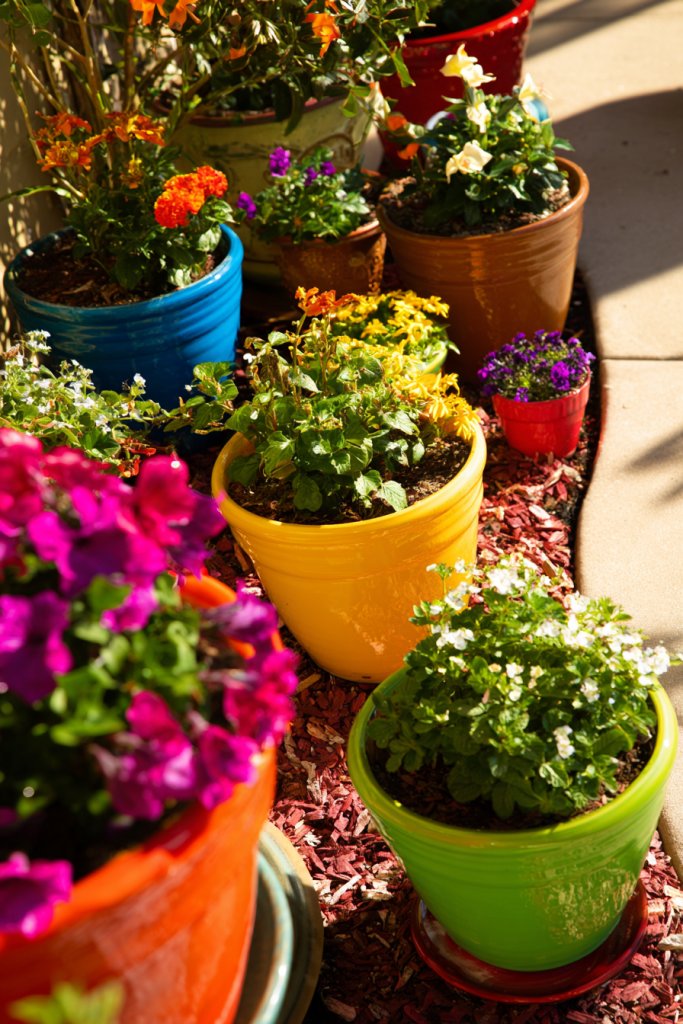
Limited space often restricts your ability to grow a variety of plants, but you still crave a lush, colorful garden. Container gardening offers flexibility, letting you create a vibrant display with minimal effort. Combining colorful pots and decorative mulch transforms plain containers into eye-catching features. It’s a quick way to add personality and life to any small outdoor area.
Recommended Products to replicate this idea
| # | Preview | Product | |
|---|---|---|---|
| 1 |

|
Garden Elements Indoor/Outdoor Glazed Brushed Happy Plastic Planter, Large, Dark Purple, 15" (Pack... | Check Latest Price |
| # | Preview | Product | |
|---|---|---|---|
| 1 |

|
Garden Elements 100% Natural Cocoa Bean Shell Mulch for Gardens, Flower Beds, Potted Plants, and... | Check Latest Price |
Envision a cluster of pots in bright hues—reds, blues, yellows—arranged on a patio or balcony. The plants inside range from trailing ivies to flowering annuals, bursting with color and texture. Decorative mulch—perhaps pine bark, shells, or colored stones—covers the soil, adding contrast and polish. The overall effect is cheerful, inviting, and full of personality.
Mix and match pot shapes and sizes for visual rhythm. Use lightweight, weatherproof materials like resin, ceramic, or recycled plastics. Change plant choices seasonally or for special occasions, such as herbs in summer or bulbs in spring. Arrange pots on stands, shelves, or hanging racks to save space and add vertical interest.
Select pots with drainage holes and fill them with quality potting mix suited for your plants. Arrange them in clusters or along walkways, considering sunlight and wind exposure. Water regularly and fertilize as needed. Use decorative mulch to suppress weeds and keep moisture consistent. Rotate plants seasonally for variety, and protect delicate blooms from harsh weather.
Add decorative stones, miniature sculptures, or themed accessories to individual containers. Incorporate personalized plant labels or painted pots to reflect your style. Use colorful fabrics or outdoor rugs nearby to tie the look together. Personal touches like fairy lights or small wind chimes enhance the ambiance.
Container gardens bring a burst of color and diversity to small spaces. They’re easy to customize and update, making gardening approachable and fun. With a little creativity, you craft a lively, charming outdoor space that showcases your personality.
11. Edible Garden Patch with Compact Fruit Trees and Veggie Beds
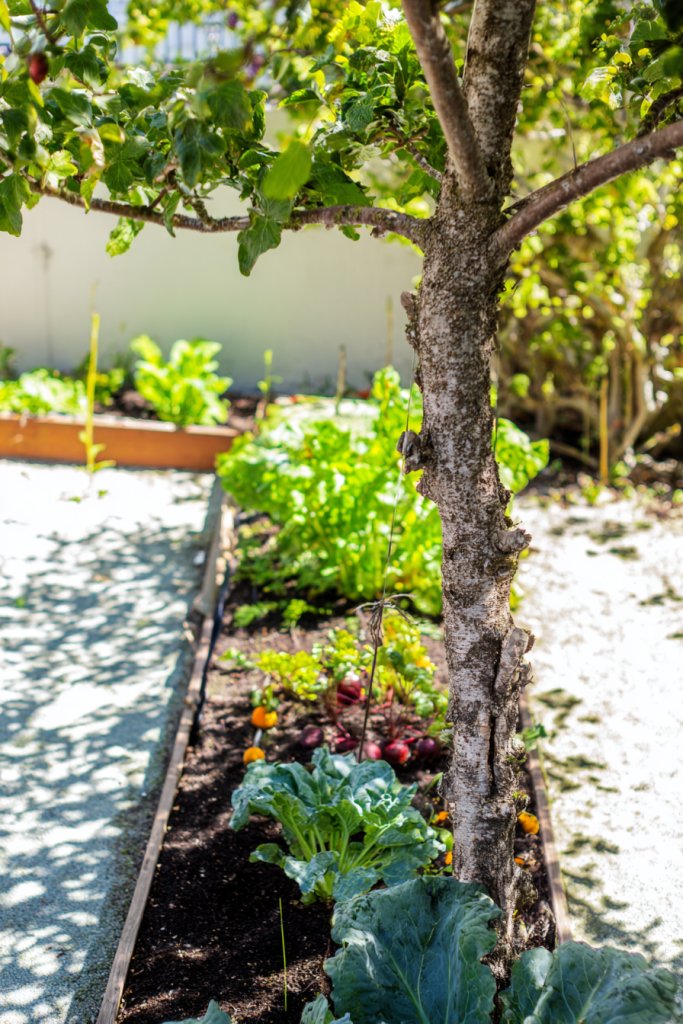
You want to enjoy fresh, homegrown produce but think your small yard can’t support a traditional garden. The solution? A compact edible garden that fits in tight spaces. By integrating fruit trees and veggie beds, you get a sustainable, productive retreat. It’s about turning your outdoor area into a personal farm stand.
Recommended Products to replicate this idea
| # | Preview | Product | |
|---|---|---|---|
| 1 |

|
Beer's Black Fig Tree (Dwarf Habit) Live Plant - Ficus carica 'Beer's Black' - Wellspring Gardens -... | Check Latest Price |
| # | Preview | Product | |
|---|---|---|---|
| 1 |
|
Land Guard Galvanized Raised Garden Bed Kit, Galvanized Planter Garden Boxes Outdoor, Oval Large... | Check Latest Price |
Picture a small, fenced-in patch with dwarf fruit trees like apples or cherries standing alongside raised vegetable beds. The beds are filled with colorful greens, root vegetables, and herbs. A trellis with climbing beans or peas adds vertical interest. The aroma of ripe fruit and freshly harvested veggies fills the air, making it a lively, inviting scene.
Use dwarf or semi-dwarf fruit trees for small yards, and choose raised beds or container plantings for vegetables. Incorporate vertical gardening with trellises or wall-mounted planters for climbing plants. Rotate crops seasonally to maximize space and soil health. In colder climates, consider indoor or greenhouse options for year-round harvests.
Start by selecting suitable dwarf trees and planting them in well-draining soil or large containers. Build or buy raised beds, filling them with rich compost. Plan your layout for sun exposure and accessibility. Plant a mix of vegetables, herbs, and small fruit trees, spacing them appropriately. Water consistently and mulch to conserve moisture. Implement crop rotation and composting for sustainability.
Decorate the beds with painted borders, small signs, or themed accessories. Use colorful plant supports or trellises to add visual interest. Incorporate companion planting to improve yields and pest control. Personalize with harvest labels or decorative stakes that match your style. Seasonal decorations or fairy lights can make it festive.
An edible garden boosts your connection to food and nature, making your outdoor space more meaningful. It’s a practical, rewarding project that adapts to small yards and patios. With some planning, you enjoy fresh, organic produce right outside your door, transforming your garden into a living pantry.
12. Climbing Plants on Trellises for Privacy and Shade
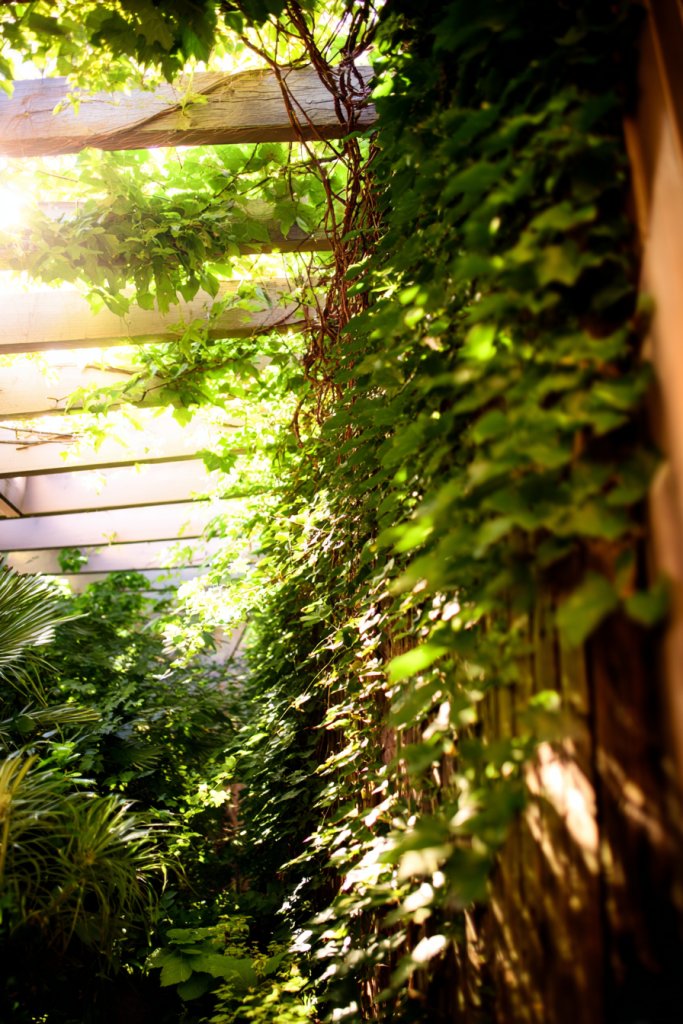
Small gardens often lack privacy and shade, leaving you exposed to neighbors or harsh sun. Climbing plants on trellises provide a natural, attractive barrier that offers seclusion and relief. It’s a simple, elegant way to create a cozy corner or shield your outdoor space. Who says small gardens can’t have big privacy?
Recommended Products to replicate this idea
| # | Preview | Product | |
|---|---|---|---|
| 1 |

|
Expandable Garden Trellis Plant Support Willow Lattice Fence Panel for Climbing Plants Vine Ivy Rose... | Check Latest Price |
| # | Preview | Product | |
|---|---|---|---|
| 1 |

|
2 PCS Garden Plant Trellis Netting - Sukh 5 x 15 ft Trellis Net Polyester Trellis Netting Garden... | Check Latest Price |
Visualize a sturdy trellis covered in lush, flowering vines like clematis or climbing roses. The foliage and blooms spill over the sides, forming a living curtain. The scent of flowers fills the air, while dappled sunlight filters through the leaves. The structure adds vertical interest, making your garden feel more enclosed and intimate.
Select trellises made from wood, metal, or bamboo depending on your style preference. Grow different types of climbers for varied textures and colors—jasmine for fragrance or trumpet vine for bold blooms. Position trellises near sitting areas or along fences to increase privacy. Change plants seasonally for ongoing visual interest.
Install sturdy trellises or lattice panels in strategic spots. Prepare the soil or ground around the base for stability. Choose fast-growing, twining plants suited for your climate and sunlight. Tie young plants to the trellis for support, and prune regularly to encourage dense growth. Water consistently and fertilize as needed. Keep an eye on pests and replace plants to maintain coverage.
Decorate trellises with fairy lights, decorative ribbons, or hanging ornaments for extra charm. Use colorful or patterned fabrics to cover sections of the trellis for a boho or eclectic look. Incorporate small outdoor sculptures or decorative stones at the base for a personalized touch. Changing plants seasonally keeps the view fresh and engaging.
Climbing plants on trellises turn unsightly walls or fences into lush, living art. They add vertical height and privacy without taking up ground space. With a little effort, you create a secluded nook or shaded retreat that’s both functional and beautiful.
13. Low-Maintenance Succulent and Cacti Arrangements
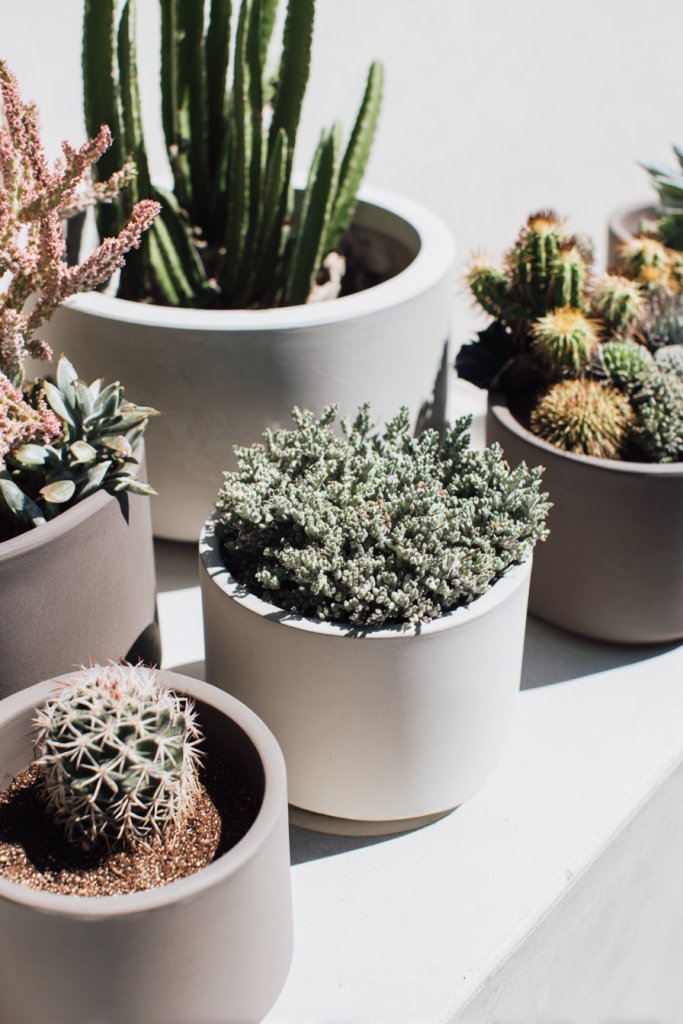
You love greenery but dislike constant watering and upkeep. Succulents and cacti offer a low-maintenance, stylish alternative that thrive on neglect. They bring a modern, sculptural vibe to small gardens or patios. It’s gardening without the fuss, perfect for busy lifestyles or forgetful plant parents.
Recommended Products to replicate this idea
| # | Preview | Product | |
|---|---|---|---|
| 1 |
|
LamDawn Cute Ceramic Succulent Garden Pots, Planter with Drainage and Attached Saucer, Set of 5... | Check Latest Price |
| # | Preview | Product | |
|---|---|---|---|
| 1 |

|
Back to The Roots 100% Organic Succulent & Cacti Mix (6 Quart) | Made in The USA | Premium Nutrition... | Check Latest Price |
Imagine a collection of geometric containers filled with varied succulents and cacti. The textures range from smooth and plump to spiky and intricate, creating visual interest. Arranged on a sunny windowsill or patio table, they form a mini desert landscape. The muted greens and earthy tones complement minimalist decor and bring a touch of nature’s resilience.
Use containers in different shapes, sizes, and materials—ceramic, concrete, or recycled metal—for variety. Group plants based on color, form, or height to create balanced compositions. Incorporate decorative stones or gravel as mulch for added texture. For seasonal interest, add small fairy lights or decorative stones to enhance their sculptural appeal.
Choose well-draining pots with drainage holes, and fill them with cactus or succulent potting mix. Arrange the containers on a sunny shelf, table, or ground-level stand. Water sparingly—only when the soil is dry—and avoid overwatering, which is the most common mistake. Use tongs or gloves when handling spiky varieties. Repot or divide plants as they grow for continued beauty.
Decorate containers with painted designs, labels, or unique vessel styles to match your decor. Mix in decorative gravel, small sculptures, or driftwood for extra flair. Create themed arrangements—like a desert scene or a modern minimalist collection. Personal touches like custom plant tags or painted pots make the display truly yours.
Succulents and cacti prove that beauty doesn’t require constant care. They’re perfect for adding a contemporary touch to small gardens and are surprisingly versatile. With minimal effort, you craft a stylish, sustainable, and easy-care plant display that still makes a statement.
14. Brightly Colored Garden Path with Solar-Powered Lanterns
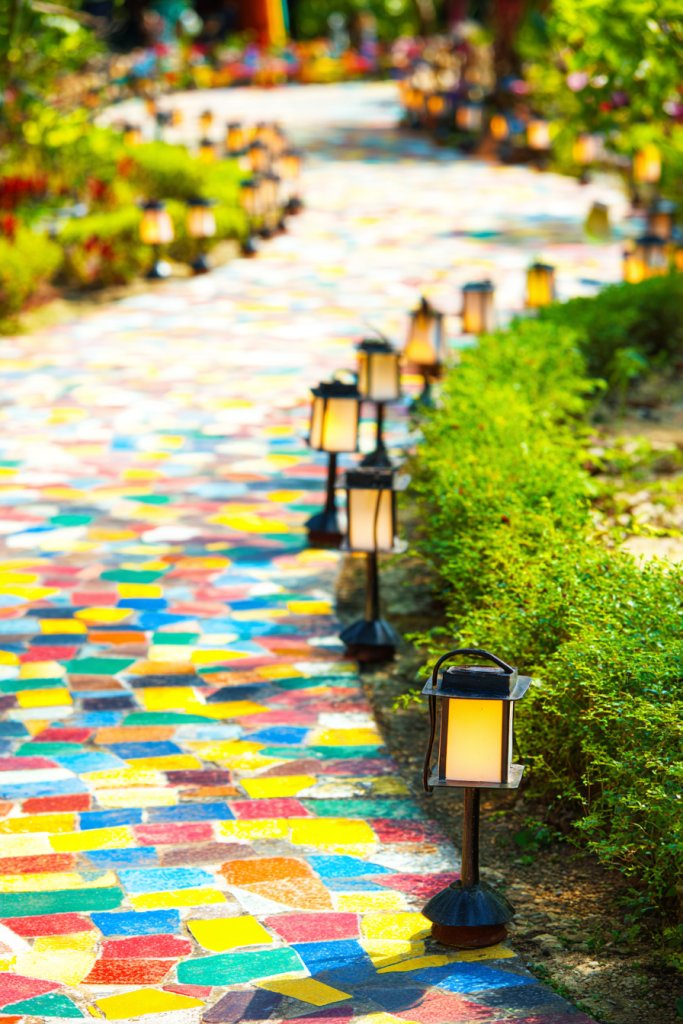
Dark, dull pathways can make your small garden feel uninviting after sunset. You want a vibrant, safe route that adds charm and functionality. A colorful path illuminated by solar lanterns creates a magical, welcoming vibe. It’s a simple way to extend your garden’s usability into the evening.
Recommended Products to replicate this idea
| # | Preview | Product | |
|---|---|---|---|
| 1 |

|
River Rock Stepping Stones Outdoor for Garden Walkway, 10 inch Diameter 6 Pcs Round Shape Paver Step... | Check Latest Price |
| # | Preview | Product | |
|---|---|---|---|
| 1 |

|
Greluna Solar Lights Outdoor,12 Pack 3000K Waterproof Auto On/Off Solar Pathway Lights for Your... | Check Latest Price |
Picture a winding walkway paved with colorful bricks or stones—reds, blues, yellows—forming a lively mosaic. Solar lanterns with patterned shades cast a warm glow, highlighting the path’s curves. The glow dances on textured surfaces, while the colorful stones reflect the light, making the whole scene cheerful and inviting. It’s like a fairy tale coming alive in your backyard.
Mix different colors and materials for a playful or sophisticated look. Use solar-powered lanterns in various shapes—ball, lantern, or fairy lights—depending on your style. Install pathway lighting at different heights and angles to create depth and interest. For seasonal flair, incorporate string lights or decorative stakes that match your theme.
Lay a base layer of sand or gravel for stability, then embed your colorful stones or bricks in a winding pattern. Position solar lanterns along the edges or at intervals to ensure even lighting. Ensure the solar panels are unobstructed for maximum charge. Test the lights at night and adjust their placement as needed. Regularly clean solar panels for optimal performance.
Decorate the lanterns with ribbons, paint, or decals for a personalized touch. Mix in potted plants or small sculptures along the path for added interest. Choose colors that complement your outdoor decor or seasonal themes. Add outdoor rugs or mats at key points for extra comfort and style.
A brightly lit, colorful path transforms your garden into a lively evening retreat. It’s an easy project that adds both safety and visual appeal. With minimal effort, you create an enchanting space to enjoy after dark, making your garden more functional and beautiful.
15. Herb Spiral for Compact, Multi-Flavor Growing Space
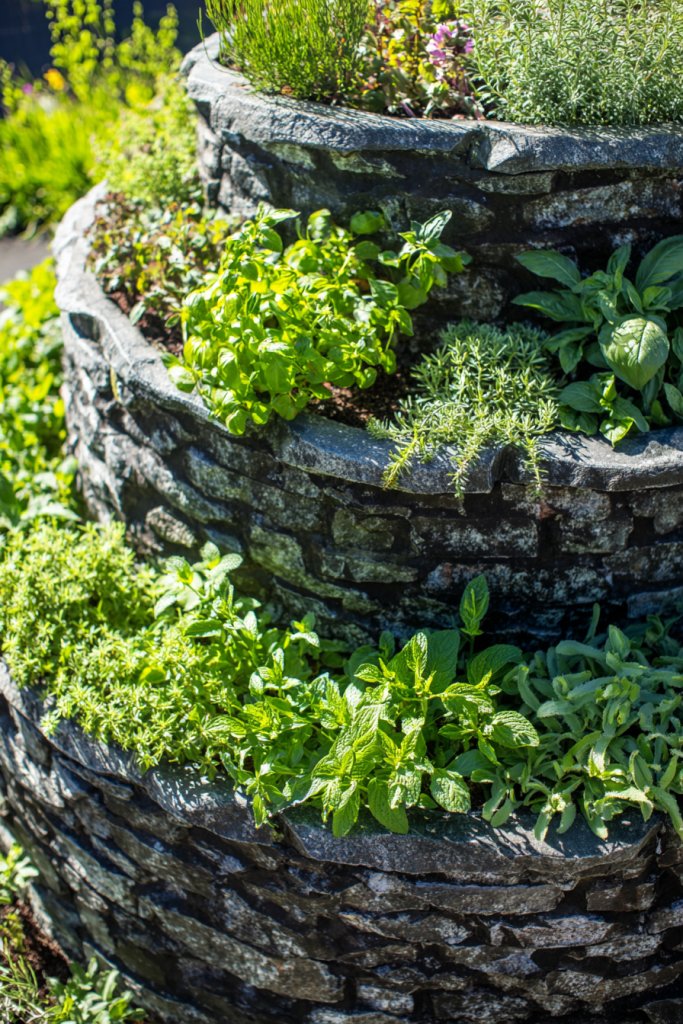
Limited space makes growing herbs challenging, especially if you want a variety of flavors. An herb spiral offers a clever, space-efficient solution that maximizes vertical and horizontal growing areas. It’s a stylish, eco-friendly way to keep fresh herbs within arm’s reach. Who doesn’t love snipping herbs straight from the garden?
Recommended Products to replicate this idea
| # | Preview | Product | |
|---|---|---|---|
| 1 |

|
Herb Seeds Variety Pack – Fruivity 12800+ 15 in 1 Heirloom Seed Kits for Indoor/Outdoor Planting |... | Check Latest Price |
| # | Preview | Product | |
|---|---|---|---|
| 1 |

|
Yaheetech 8×2ft Wooden Horticulture Raised Garden Bed Divisible Elevated Planting Planter Box for... | Check Latest Price |
Visualize a compact spiral made from bricks, stones, or recycled materials, winding upward in a tight, helical shape. Different sections hold herbs suited for various conditions—moist, shaded, or sunny. The spiral is lush with fragrant herbs like basil, thyme, and mint, creating a sensory feast. It’s a charming focal point that combines function and beauty.
Adjust the size and height of your spiral based on available space and aesthetic preference. Use natural materials like stone or wood to blend with your garden’s theme. Incorporate stepping stones or a small seating area nearby for easy tending. For colder climates, consider covering with a mini greenhouse or cloche for winter protection.
Start by selecting a suitable location with good sunlight. Build the spiral using bricks or stones, stacking securely to form a helix. Fill each section with well-draining soil, and plant your herbs accordingly—shade-loving herbs in shaded sections, sun-loving ones in sunnier spots. Water regularly but avoid overwatering, and prune to encourage bushy growth. Use mulch to retain moisture and suppress weeds.
Decorate the edges with painted stones, engraved tiles, or small sculptures. Use personalized labels or painted signs to identify your herbs. Incorporate decorative elements like fairy lights or wind chimes to add ambiance. Seasonal plantings or flowering herbs refresh the look and scent.
An herb spiral makes your garden more functional and delightful. It’s a compact, attractive feature that supplies fresh flavors for your kitchen. With a bit of creativity, you turn a small corner into a culinary oasis that’s both sustainable and beautiful.
16. Multi-Level Deck with Planter Edges for Visual Layering
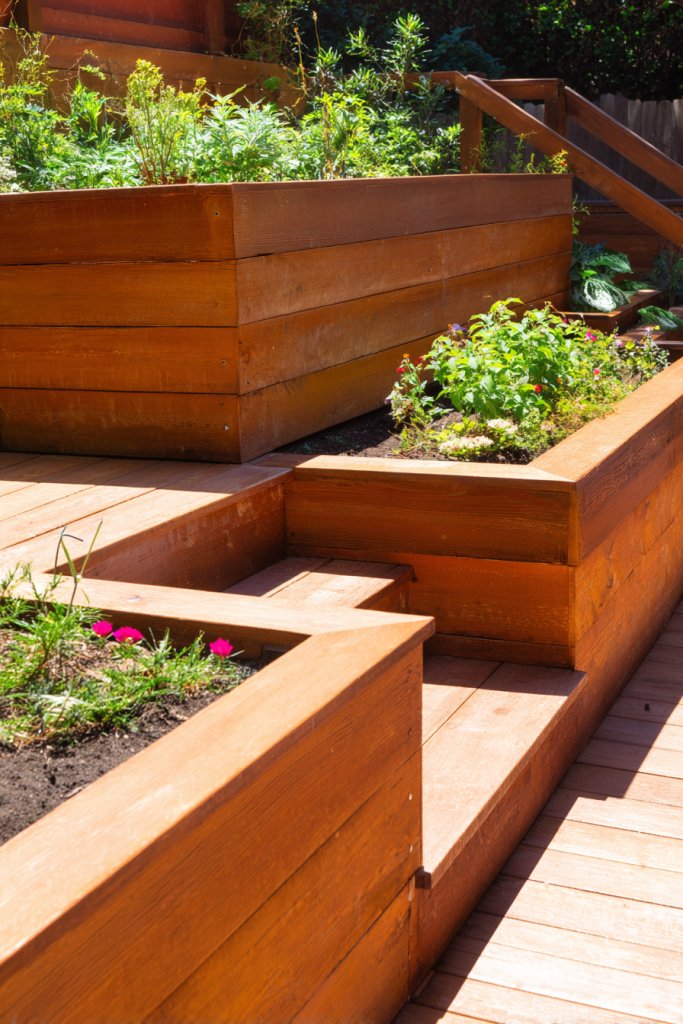
A flat, boring deck in a small garden can feel uninspiring. You want to add depth and visual interest without sacrificing space. A multi-level deck with built-in planters creates a layered, dynamic look that elevates your outdoor living. It’s a way to enjoy more greenery and style in a compact area.
Recommended Products to replicate this idea
| # | Preview | Product | |
|---|---|---|---|
| 1 |

|
ETELI 6 Pack Deck Railing Planter Boxes with Adjustable Metal Hanging Brackets, Indoor Outdoor... | Check Latest Price |
| # | Preview | Product | |
|---|---|---|---|
| 1 |

|
The HC Companies 24 Inch Deck Rail Planter Box with Drainage Plug, Lightweight UV-Resistant Plastic... | Check Latest Price |
Picture a small deck with tiers, each edged with planters filled with lush foliage or flowering plants. The different heights and textures create a sense of depth and movement. Soft lighting highlights the layers, while a cozy seating area invites relaxation. The combination of wood, greenery, and light makes your garden look sophisticated yet welcoming.
Adjust the number of levels and planter sizes to suit your space and aesthetic. Use materials like cedar, composite, or painted wood to match your style. Incorporate decorative stones or gravel in the planters, and choose plants that thrive in your climate. Seasonal plantings and accessories like cushions or rugs personalize the look.
Design a plan with multiple platforms at varying heights, ensuring stability and safety. Build or modify your existing deck with support beams and framing. Install planters along the edges, making sure they are securely anchored. Fill with quality soil and select plants suited for each level’s sunlight and water needs. Regular maintenance keeps it attractive and safe.
Decorate with outdoor textiles, fairy lights, or sculptures to add personality. Use colorful or patterned cushions to make seating inviting. Incorporate decorative stones or small water features within the planters for extra charm. Change plants seasonally or add small flags or signs for special occasions.
A multi-level deck with planter edges adds sophistication and depth to small gardens. It’s a creative way to maximize space and greenery. With some planning, you craft a stylish, functional outdoor space that feels larger and more inviting.
17. Reclaimed Wooden Stepping Stones for Path Definition
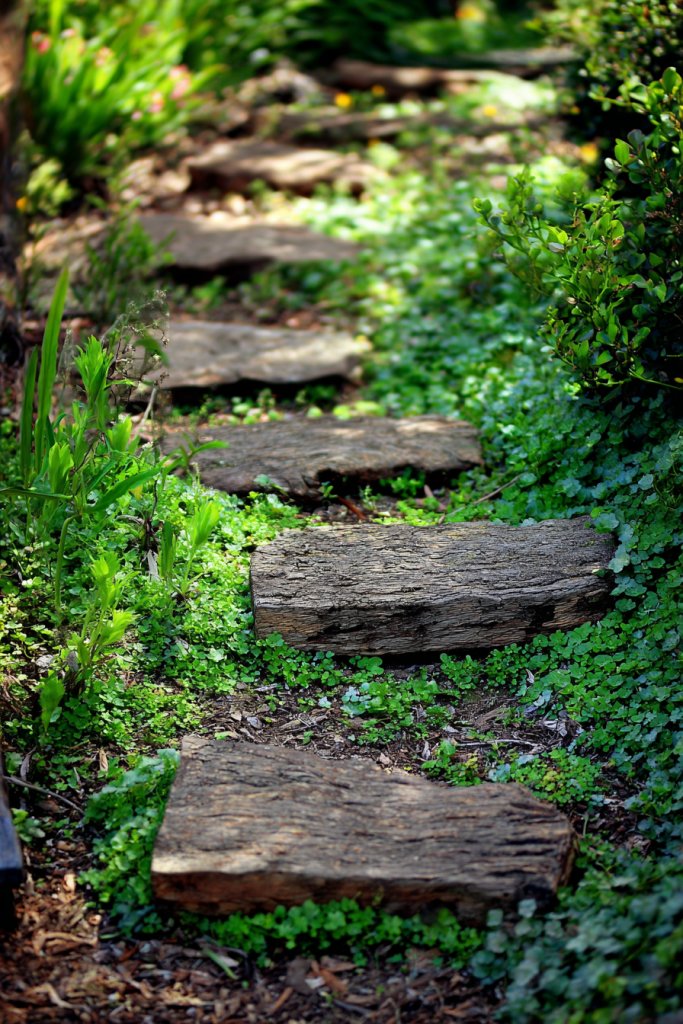
Pathways in small gardens often look plain or haphazard. You desire a charming, eco-friendly way to define walkways and garden zones. Reclaimed wooden stepping stones offer a rustic, sustainable solution that adds character and function. They’re perfect for creating inviting routes that blend with nature.
Recommended Products to replicate this idea
| # | Preview | Product | |
|---|---|---|---|
| 1 |

|
Aorvoras Miniature Wooden Stepping Stones, 10PCS, Natural Real Wood Slices, Brown, Rustic/Natural,... | Check Latest Price |
| # | Preview | Product | |
|---|---|---|---|
| 1 |

|
Coperat 8FT Wooden Garden Pathway,Outdoor Roll Out Decorative Straight Walkway,Weather-Resistant... | Check Latest Price |
Imagine weathered, wooden planks cut into irregular shapes, laid out along a meandering path. The stones are surrounded by lush ground covers or grass, softening the edges. The natural wood grain and imperfections add charm, while the path guides your eye through the garden. Sunlight and shadows play across the surface, enhancing the organic feel.
Use different wood types—reclaimed barn wood, pallet wood, or driftwood—for unique textures. Vary the sizes and shapes to create a more natural, less uniform look. Add gravel, moss, or low-growing plants between the stones for visual interest. Seasonal accents like small lanterns or flower pots can enhance the pathway’s appeal.
Source reclaimed wood from local salvage yards or repurpose old pallets. Cut into desired shapes and treat the wood with a weatherproof sealant to prolong lifespan. Dig small holes or create shallow depressions for each piece, pressing them into the soil securely. Fill gaps with gravel or ground cover to stabilize and prevent shifting. Regularly check for rot or damage and replace as needed.
Paint or stain the wood in colors that match your garden theme. Embellish with carved designs or painted patterns for a whimsical touch. Add solar-powered lights along the path for nighttime visibility. Incorporate decorative stones or sculptures nearby to complement the rustic aesthetic.
Reclaimed wood stepping stones bring eco-conscious charm and function to small gardens. They offer a warm, natural feel that enhances your outdoor space’s character. With some DIY effort, you craft a unique pathway that guides visitors and adds visual depth.
18. Artistic Garden Borders with Recycled Materials
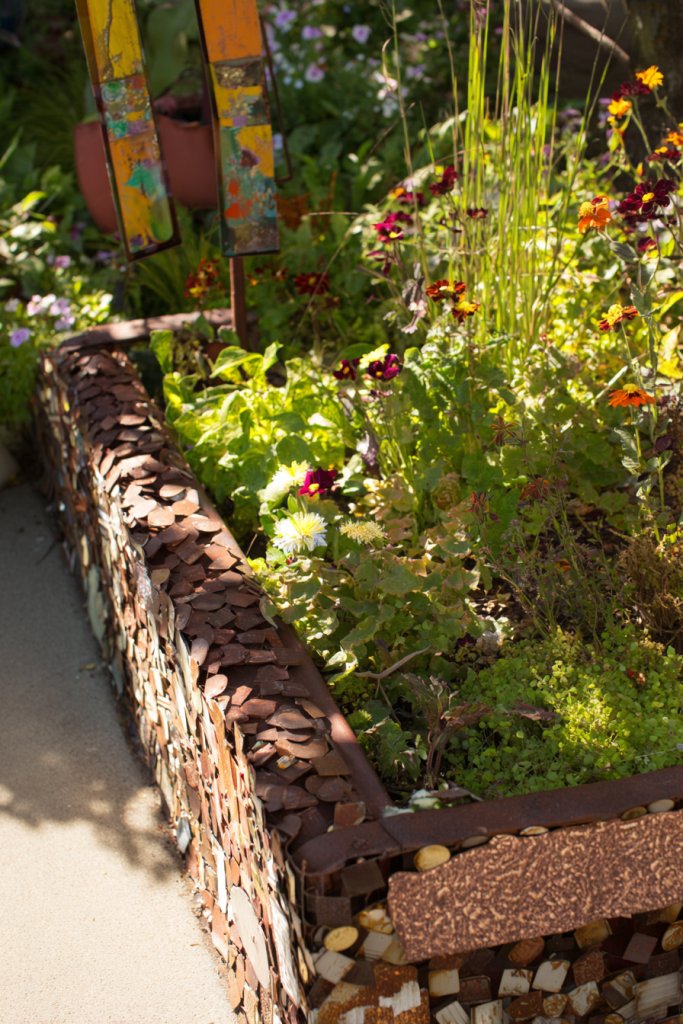
Bland, traditional borders can make your small garden look dull or unfinished. You want a creative, eco-friendly way to define your beds and zones. Artistic borders made from recycled materials add personality, sustainability, and a touch of whimsy. It’s a chance to showcase your creativity while repurposing waste.
Recommended Products to replicate this idea
| # | Preview | Product | |
|---|---|---|---|
| 1 |

|
Hapeisy 26 Gallons Recycling Bins for Kitchen, D-Shape Large Recycling Bin with Lid and Removeable... | Check Latest Price |
| # | Preview | Product | |
|---|---|---|---|
| 1 |

|
Decorative Garden Fence 17in x10ft, 10 Pack Rustproof Metal No Dig Fence Animal Barrier for Dog,... | Check Latest Price |
Picture a border constructed from old bricks, broken tiles, or scrap metal, arranged in a playful or structured pattern. The variations in color and texture create visual interest, emphasizing the garden’s design. Small plants or ground covers spill over the edge, softening the boundary and inviting exploration. The result is a vibrant, eclectic frame that makes your garden truly unique.
Combine different recycled materials—metal, ceramic, wood—to create a patchwork effect. Use them to form curves, straight lines, or whimsical shapes. Incorporate decorative elements like glass shards, bottle bottoms, or old tools for added flair. Adjust the height and density based on your planting needs and aesthetic goals.
Collect suitable recycled materials from salvage yards, curbside pickups, or your own garage. Arrange them in your desired pattern, securing with concrete, mortar, or wiring for stability. Space plants to soften the edges and fill gaps with soil or mulch. Regularly check for stability or damage, and replace broken pieces as needed. Ensure the border is safe and accessible.
Paint or decorate the recycled materials with colorful or metallic finishes for extra visual impact. Add small sculptures, garden ornaments, or fairy lights to enhance the eclectic look. Personalize with engraved or painted messages, or incorporate seasonal decorations. Mix textures and colors to reflect your style.
Artistic borders with recycled materials turn simple garden edges into focal points. They reflect your eco-conscious mindset and artistic flair. With some effort, you craft a visually stunning, sustainable boundary that elevates your entire garden’s appearance.
19. Butterfly and Bee-Friendly Flower Mix in Small Beds
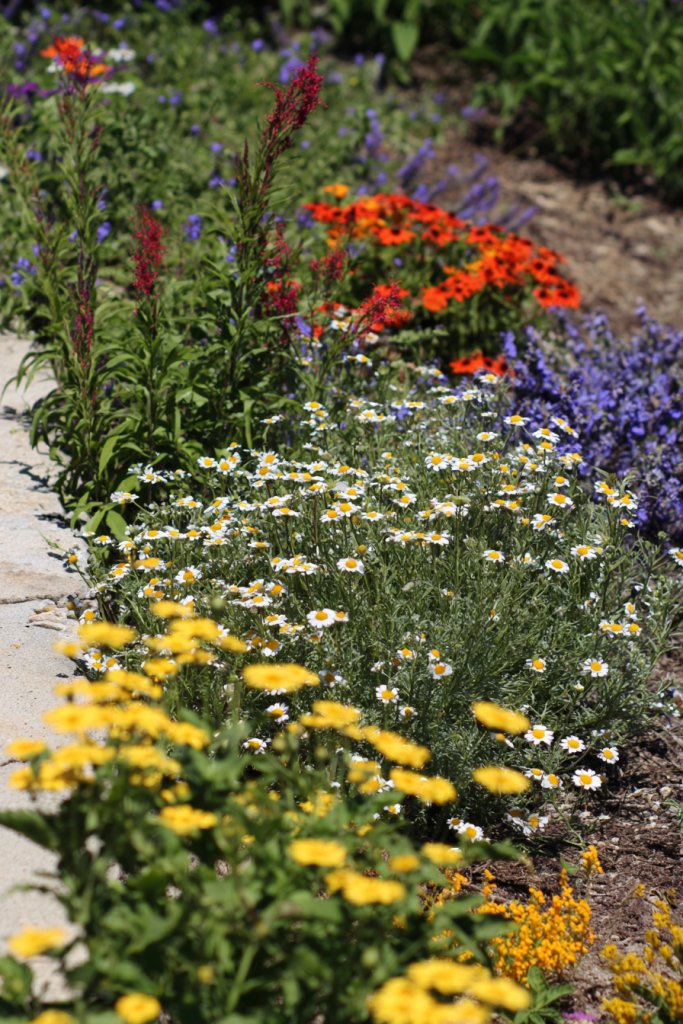
You care about supporting pollinators but worry your tiny garden can’t make a difference. The truth is, even small beds can attract butterflies and bees with the right flowers. Creating a pollinator-friendly space boosts biodiversity and adds lively movement and color. It’s a win-win for your garden and the environment.
Recommended Products to replicate this idea
| # | Preview | Product | |
|---|---|---|---|
| 1 |

|
Burpee Wildflower 25,000 Bulk, 1 Bag, 18 Varieties of Non-GMO Flower Seeds Pollinator Garden,... | Check Latest Price |
| # | Preview | Product | |
|---|---|---|---|
| 1 |
|
Land Guard Galvanized Raised Garden Bed Kit, Galvanized Planter Garden Boxes Outdoor, Oval Large... | Check Latest Price |
Imagine a small flower bed bursting with nectar-rich blooms—coneflowers, lavender, zinnias—drawing fluttering butterflies and buzzing bees. The vibrant colors and sweet scents fill the air, creating a lively, cheerful scene. The insects flit effortlessly from flower to flower, turning your garden into a miniature wildlife sanctuary. It’s nature’s busy, beautiful ballet in your own backyard.
Select native, pollinator-friendly plants suited to your climate and soil. Mix perennials with annuals to ensure continuous blooms. Use compact or raised beds to fit your space and improve soil quality. Change plant varieties seasonally to keep the nectar flowing and the garden lively. Incorporate seed bombs or wildflower patches for an extra boost.
Design a small, sunny bed with well-draining soil and rich compost. Plant a variety of nectar-rich flowers, ensuring a mix of colors and bloom times. Avoid pesticides and chemical fertilizers that harm pollinators. Maintain the bed by deadheading spent flowers and watering during dry spells. Add mulch to retain moisture and suppress weeds. Observe pollinators and adjust planting as needed to attract more.
Create decorative signs or painted stones with pollinator messages. Incorporate natural elements like small rocks or driftwood for visual interest. Use garden stakes or wind chimes to add movement and sound. Personalize the garden with your favorite native flowers or color schemes that reflect your style.
Supporting pollinators in your small garden helps nature thrive and enriches your outdoor experience. Even limited space can make a big difference. You’re creating a lively, colorful habitat that benefits the environment and your enjoyment.
20. Minimalist Gravel Garden with Potted Plants for Easy Maintenance
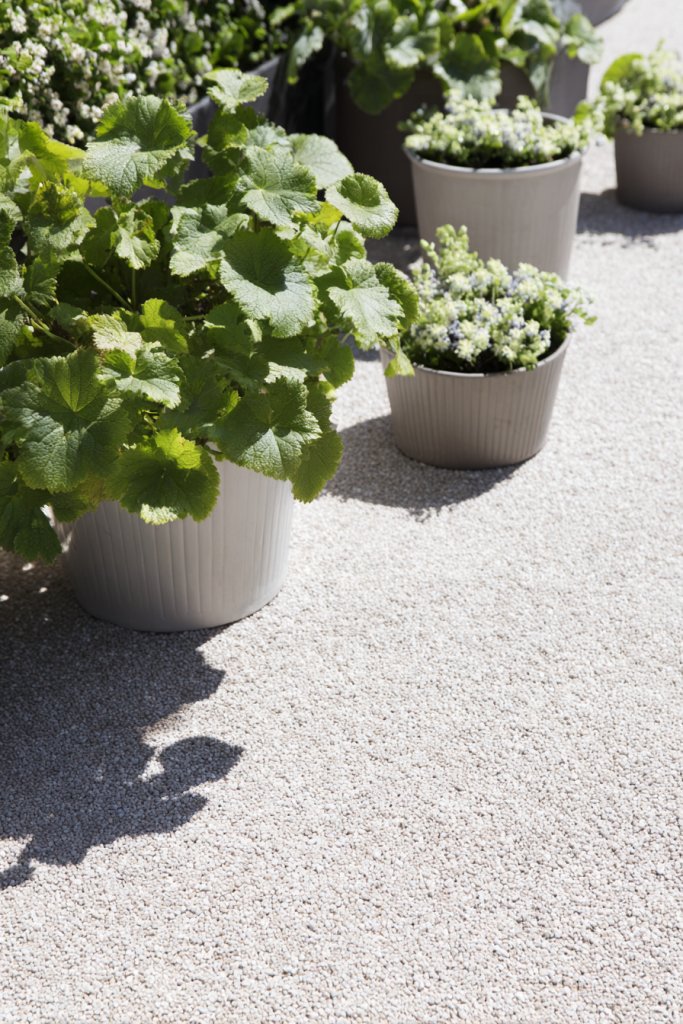
A busy lifestyle calls for a garden that’s simple, clean, and low-maintenance. Gravel gardens fit the bill perfectly, offering a modern, uncluttered look that’s easy to care for. Potted plants add color and variety without complicated planting schemes. It’s a sleek, practical solution for small outdoor spaces.
Recommended Products to replicate this idea
| # | Preview | Product | |
|---|---|---|---|
| 1 |

|
FANTIAN 2 lbs Natural Mixed Color Pea Gravel Pebbles, 3/8 inch Decorative Rocks for Succulents,... | Check Latest Price |
| # | Preview | Product | |
|---|---|---|---|
| 1 |

|
Kante 18 Inch Dia Round Concrete Planter, Indoor Outdoor Large Plant Pot with Drainage Hole and... | Check Latest Price |
Picture a bed of fine gravel, neatly raked into patterns or left natural. Potted plants in uniform or contrasting containers sit strategically around the space, adding splashes of green, flower, or foliage. The gravel provides a crisp, tidy backdrop that reflects light and makes the plants pop. The overall effect is calming, organized, and effortlessly stylish.
Choose gravel in neutral tones—gray, white, or black—for a contemporary look, or add colored stones for a pop of personality. Use uniform pots for a minimalist aesthetic or mix different styles for an eclectic vibe. Incorporate drought-tolerant plants, succulents, or ornamental grasses for minimal watering needs. Seasonal accents like pumpkins or lanterns can be added for special occasions.
Lay a weed barrier and spread a layer of gravel evenly over the area. Arrange your potted plants thoughtfully, considering sunlight and growth habits. Use saucers or trays underneath pots to prevent soil spillage and protect the gravel. Water plants as needed, avoiding overwatering or excess moisture. Keep the gravel tidy by raking or adding fresh stones each season. Periodic weeding and replacing pots refresh the look.
Add decorative stones, sculptures, or outdoor art to personalize your gravel garden. Use colorful or patterned pots to match your style. Incorporate lighting—solar path lights or spotlights—to highlight key features at night. Seasonal decorations or small fountains can add movement and sound, elevating the space.
A minimalist gravel garden offers a chic, low-effort outdoor area that’s easy to enjoy and maintain. It’s a clean, modern look that adapts to any small space. With simple updates, you can keep it fresh and inviting year-round, making outdoor living effortless.
21. Compact Shade Garden with Foliage and Low-Growing Plants
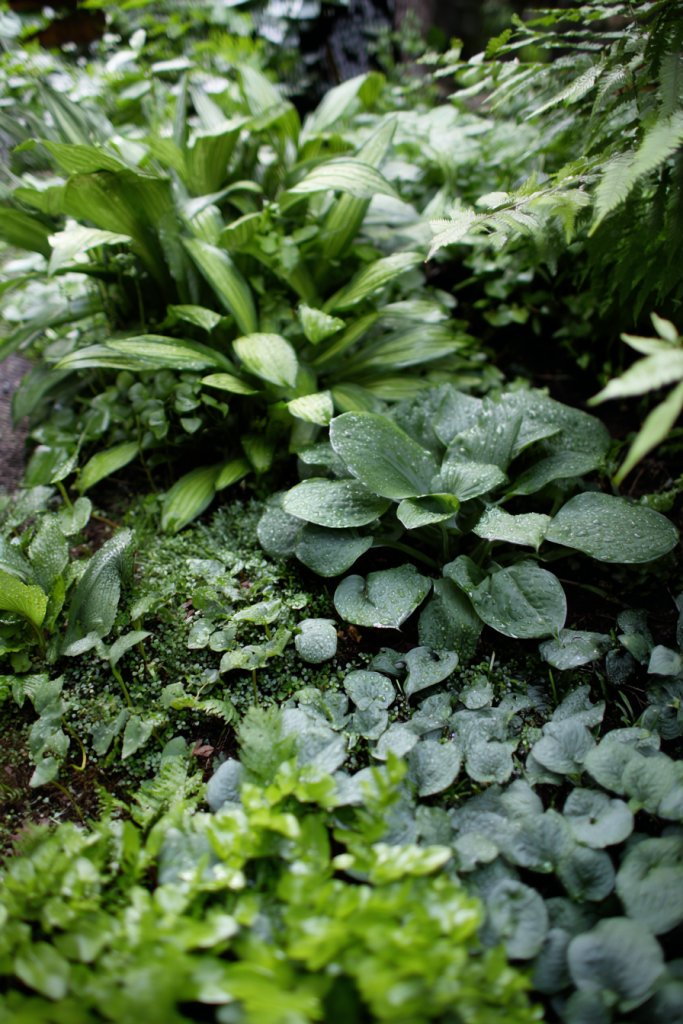
Shaded corners of small gardens often feel dull and lifeless. You want to create a cozy, lush retreat that thrives in low light. Shade-tolerant foliage and low-growing plants offer a perfect solution, transforming gloom into a green oasis. It’s a cozy hideaway right outside your door.
Recommended Products to replicate this idea
| # | Preview | Product | |
|---|---|---|---|
| 1 |

|
330+ Mixed Color Hosta Seeds for Planting - Shade-Tolerant Perennials, Dual Use for Ground Cover &... | Check Latest Price |
| # | Preview | Product | |
|---|---|---|---|
| 1 |
|
Outsidepride Irish Moss Ground Cover Seeds - 10000 Pcs Perennial Low Growing, Mat-Forming Lawn... | Check Latest Price |
Imagine a shaded nook filled with ferns, hostas, and ground covers like creeping Jenny or moss. Soft, diffused light filters through overhead branches, creating a calm, inviting atmosphere. The textures vary from broad, glossy leaves to delicate moss, adding depth and interest. Small stepping stones or a cozy bench complete the scene, inviting you to linger.
Choose plants suited for low-light conditions and your climate. Use shaded containers or plant directly in the soil, layering different textures and shades of green. Incorporate decorative mulch or bark to define beds and retain moisture. For seasonal variation, add evergreen plants or winter-hardy ferns to keep the space lively year-round.
Start by assessing your shaded area’s light levels and soil type. Prepare beds with rich, well-draining soil, and select shade-loving plants. Position larger plants at the back or center, with low-growing varieties in front. Water consistently, especially during dry spells, and fertilize lightly. Mulch helps conserve moisture and suppress weeds. Regular pruning keeps plants in shape and prevents overgrowth.
Decorate with natural stones, carved wood, or textured pots to add visual appeal. Incorporate garden ornaments, fairy sculptures, or small water features to enhance the ambiance. Use cushions, throws, or outdoor rugs to add comfort and style. Seasonal plantings and decorative accessories make the space inviting all year.
A shade garden provides a peaceful retreat that’s easy to care for and visually soothing. It’s an ideal solution for small, dark corners that need a little love. With some thoughtful planting, you turn shadows into a lush, calming sanctuary.
22. Fairy Garden with Miniature Decor and Tiny Plants
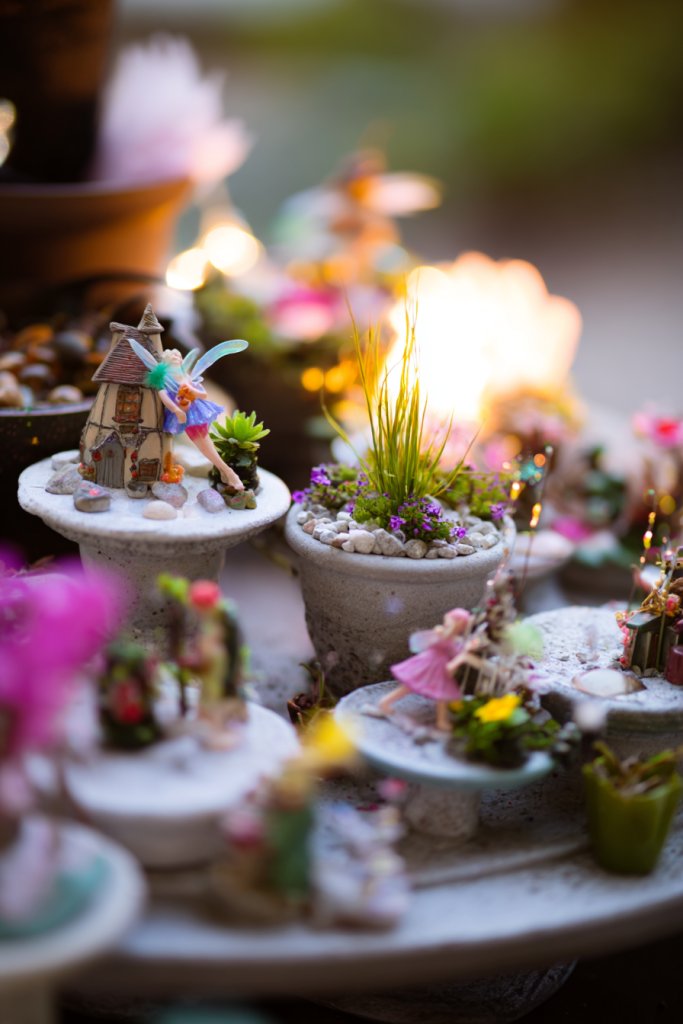
You’re craving a whimsical escape in your tiny garden, but traditional planting feels too dull. A fairy garden offers a magical, miniature world packed with charm and personality. It’s a playful way to add enchantment and creativity to your outdoor space. Who says small gardens can’t be full of wonder?
Recommended Products to replicate this idea
| # | Preview | Product | |
|---|---|---|---|
| 1 |

|
Tardigrade 200 Pieces Fairy Garden Accessories, Fairy Garden Kit, Fairy Tiny House, Miniature Gnome... | Check Latest Price |
| # | Preview | Product | |
|---|---|---|---|
| 1 |
|
Altman Plants, Live Succulent Plants (20 Pack) Assorted Potted Succulents Plants Live House Plants... | Check Latest Price |
Visualize a tiny patch decorated with miniature furniture, tiny pathways, and miniature plants in small, colorful pots. Tiny fairy statues, gnome houses, or decorative stones create a storybook scene. Delicate fairy lights or glow-in-the-dark elements add magic at night. The scene invites curiosity and imagination, transforming your garden into a fairy tale landscape.
Use a variety of miniature plants—dwarf ferns, moss, succulents—to create lush, textured scenes. Incorporate tiny furniture made from natural or recycled materials. Arrange miniature pathways or bridges for added dimension. Seasonal decorations, like tiny pumpkins or snowflakes, keep the scene lively throughout the year.
Design a small, shaded or sunny corner, then create a base using soil or moss for stability. Place miniature furniture and figures thoughtfully, ensuring they are securely anchored. Use small pots or containers with miniature plants, watering carefully to avoid overwatering. Add decorative elements like tiny lanterns or fairy statues. Regular maintenance includes pruning miniature plants and cleaning figurines.
Paint or decorate miniature furniture and figurines to match your theme. Incorporate natural elements like tiny driftwood, pebbles, or shells. Use fairy lights or glow-in-the-dark paint for a magical glow. Personal touches, such as personalized signs or themed accessories, make your fairy garden uniquely yours.
A fairy garden sparks imagination and adds a playful, magical element to small outdoor spaces. It’s an enchanting project that brings joy and creativity. With some effort, you craft a tiny, captivating world that delights both children and adults alike.
23. Solar String Lights and Wind Chimes for Nighttime Charm

Small gardens often lack ambiance after sunset, leaving outdoor spaces feeling flat and uninviting. You want a simple, eco-friendly way to add warmth and mood. Solar string lights combined with wind chimes create a cozy, magical atmosphere. It’s an easy upgrade that transforms your garden into a nighttime retreat.
Recommended Products to replicate this idea
| # | Preview | Product | |
|---|---|---|---|
| 1 |

|
addlon 54FT(48+6) Solar String Lights Outdoor Waterproof with USB Charging & Remote Control -... | Check Latest Price |
| # | Preview | Product | |
|---|---|---|---|
| 1 |
|
Bursvik Large Aluminium Wind Chimes 37" to Create a Zen Atmosphere Suitable for Outdoor, Garden,... | Check Latest Price |
Picture delicate string lights draped across a pergola or along a fence, casting a soft, twinkling glow. Wind chimes hang nearby, gently swaying in the breeze, adding soothing sounds and movement. The lights highlight plants and pathways, while the chimes create a calming soundtrack. Together, they turn your garden into an enchanting outdoor lounge.
Choose string lights in different shapes, sizes, and colors—warm white, multicolor, or vintage-style bulbs. Hang wind chimes of various materials—metal, glass, or bamboo—for diverse sounds. Install lights along fences, trees, or pergolas, adjusting the height for visual interest. Seasonal or themed decorations can be added for special occasions.
Securely attach lights to structures using clips or hooks, ensuring the solar panels are unobstructed for maximum charging. Connect the lights according to the manufacturer’s instructions, and test the system at night. Place wind chimes where they can catch the breeze and produce gentle sounds. Maintain solar panels by cleaning them regularly for optimal performance. Replace batteries or bulbs as needed.
Decorate with themed or colored lights to match your style or season. Add decorative elements like hanging lanterns, paper stars, or themed ornaments. Use outdoor rugs or cushions underneath for a cozy vibe. Personal touches like engraved wind chime tags or custom lantern covers make the space uniquely yours.
String lights and wind chimes turn your small garden into a magical nighttime haven. They boost your outdoor ambiance with minimal effort and cost. With some planning, you create a charming, relaxing space perfect for evening gatherings or quiet reflection.
24. Tiered Plant Stand for Displaying a Variety of Greenery
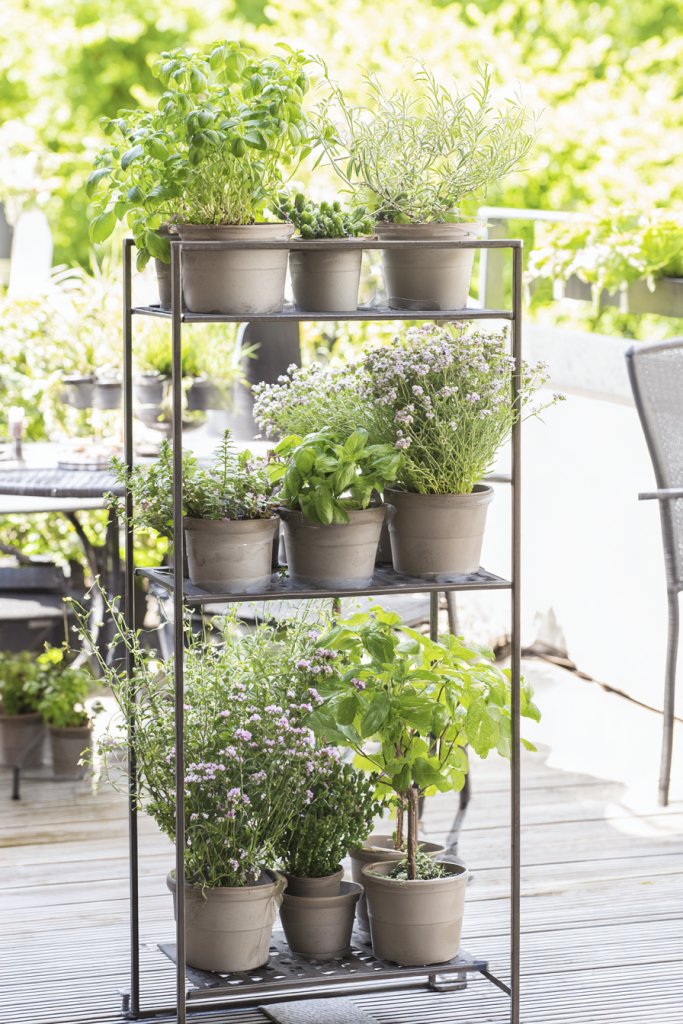
Limited space means you can’t showcase all your favorite plants at once. A tiered plant stand offers a stylish, space-saving solution to display multiple plants at different heights. It adds vertical interest and makes your garden or patio feel more lush and layered. Who says small spaces can’t have a big impact?
Recommended Products to replicate this idea
| # | Preview | Product | |
|---|---|---|---|
| 1 |

|
Sungmor Heavy Duty Cast Iron Plant stand, 3 Tier Foldable Metal Plant Shelf, 24in Tall Vintage... | Check Latest Price |
| # | Preview | Product | |
|---|---|---|---|
| 1 |

|
Umigy 2 Set 5 Tier Stackable Planters Vertical Garden Planters for Strawberry Herb Flower and... | Check Latest Price |
Imagine a multi-level stand made from wood or metal, holding a variety of plants—succulents, ferns, flowering annuals—each in colorful or textured pots. The staggered heights create a dynamic visual flow, inviting the eye to explore each layer. The stand becomes a focal point, adding depth and personality to your outdoor or indoor space. Soft lighting or decorative stones nearby enhance the aesthetic.
Adjust the number of tiers and pot sizes to suit your space and style. Use materials that match your decor—rustic wood, sleek metal, or painted finishes. Incorporate decorative elements like fairy lights, small sculptures, or colorful stones for added charm. Change plant arrangements seasonally for continuous interest.
Choose a sturdy, weatherproof stand that can support the weight of your plants. Arrange pots with taller plants at the back or center, with smaller or trailing plants on lower tiers. Use lightweight containers to ease handling and repositioning. Water plants regularly, and fertilize to keep them vibrant. Clean and adjust the stand periodically for safety and visual appeal.
Paint or decorate the stand with your favorite colors or patterns. Add decorative stones, fairy lights, or themed accessories to personalize it further. Incorporate a mix of plant types—succulents, herbs, flowering plants—for variety. Use customized plant tags or labels to identify your favorites. Seasonal decorations or ornaments make it special.
A tiered plant stand showcases your green thumb and adds a lively focal point. It makes small gardens feel more abundant and inviting. With some effort, you turn a simple stand into a stylish, functional feature that enhances your outdoor ambiance.
25. Eco-Friendly Garden with Native Plants and Organic Mulch
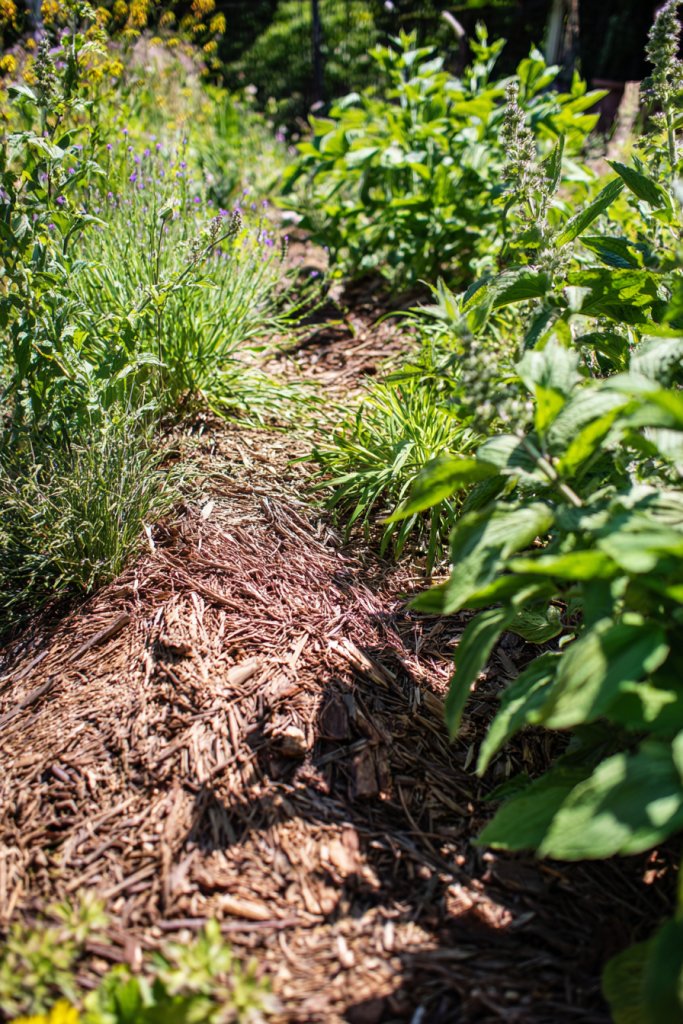
You want a sustainable, low-maintenance garden that supports local ecosystems. Native plants thrive with less water, fertilizer, and care, making them ideal for small spaces. Using organic mulch enhances soil health and reduces waste. It’s a smart, eco-friendly way to create a beautiful, resilient garden.
Recommended Products to replicate this idea
| # | Preview | Product | |
|---|---|---|---|
| 1 |

|
California Wildflower Mixture - Bulk 1 Ounce Packet - Over 7,000 Native Seeds - Open Pollinated and... | Check Latest Price |
| # | Preview | Product | |
|---|---|---|---|
| 1 |

|
CountryMax Natural Shredded Hardwood Mulch, 2 Cu. Ft. | Check Latest Price |
Visualize a garden bed filled with native wildflowers, grasses, and shrubs, all thriving naturally. Organic mulch—like shredded bark or compost—covers the soil, giving the garden a tidy, natural look. Insects and pollinators flourish among the plants, adding movement and life. The overall scene is lush, balanced, and sustainable, blending seamlessly with the environment.
Select native plants suited to your climate, soil, and sunlight. Mix perennials with seasonal wildflowers for continuous bloom. Use organic mulch to conserve moisture, suppress weeds, and improve soil over time. Incorporate natural elements like rocks, logs, or birdhouses for added habitat benefits. Adjust plant choices seasonally for ongoing visual interest.
Begin by researching native species for your region. Prepare beds with compost-rich soil, and plant according to each species’ needs. Apply a thick layer of organic mulch around plants to retain moisture and prevent weeds. Avoid chemical pesticides and fertilizers—let nature do its work. Water sparingly, and observe wildlife activity. Regularly replenish mulch and prune dead growth to keep the garden healthy.
Decorate with natural elements like carved stones, driftwood, or handmade signs. Incorporate nesting boxes or bee hotels to support pollinators. Use eco-friendly labels or plant markers to identify native species. Seasonal decorations, such as dried flowers or natural ornaments, add charm. Personal touches reflect your commitment to sustainability.
An eco-friendly native garden promotes biodiversity and resilience, making your outdoor space a haven for wildlife. It’s an ongoing project that reduces your environmental footprint and requires less intervention. With thoughtful planning, your garden becomes a vibrant, sustainable sanctuary that benefits both you and the planet.
Conclusion
Exploring these diverse small garden design ideas and layouts opens up endless possibilities for transforming your outdoor space into a green retreat. From compact flower arrangements to smart use of vertical space, each idea can be tailored to fit your unique style and needs. Don’t hesitate to experiment and bring your vision to life—your perfect garden retreat awaits. Start today, and turn your small space into a lush, inviting haven you’ll love spending time in.